
Read the biogas process before anyone tries to sell you a tank.
Cezove Roveji collects and explains publicly available information on small-scale anaerobic digestion for Polish livestock farms: how manure becomes cooking gas and fertiliser, what an ARiMR subsidy file actually contains, and what upkeep a digester demands across a full year. We do not sell, install, or broker biodigester equipment.
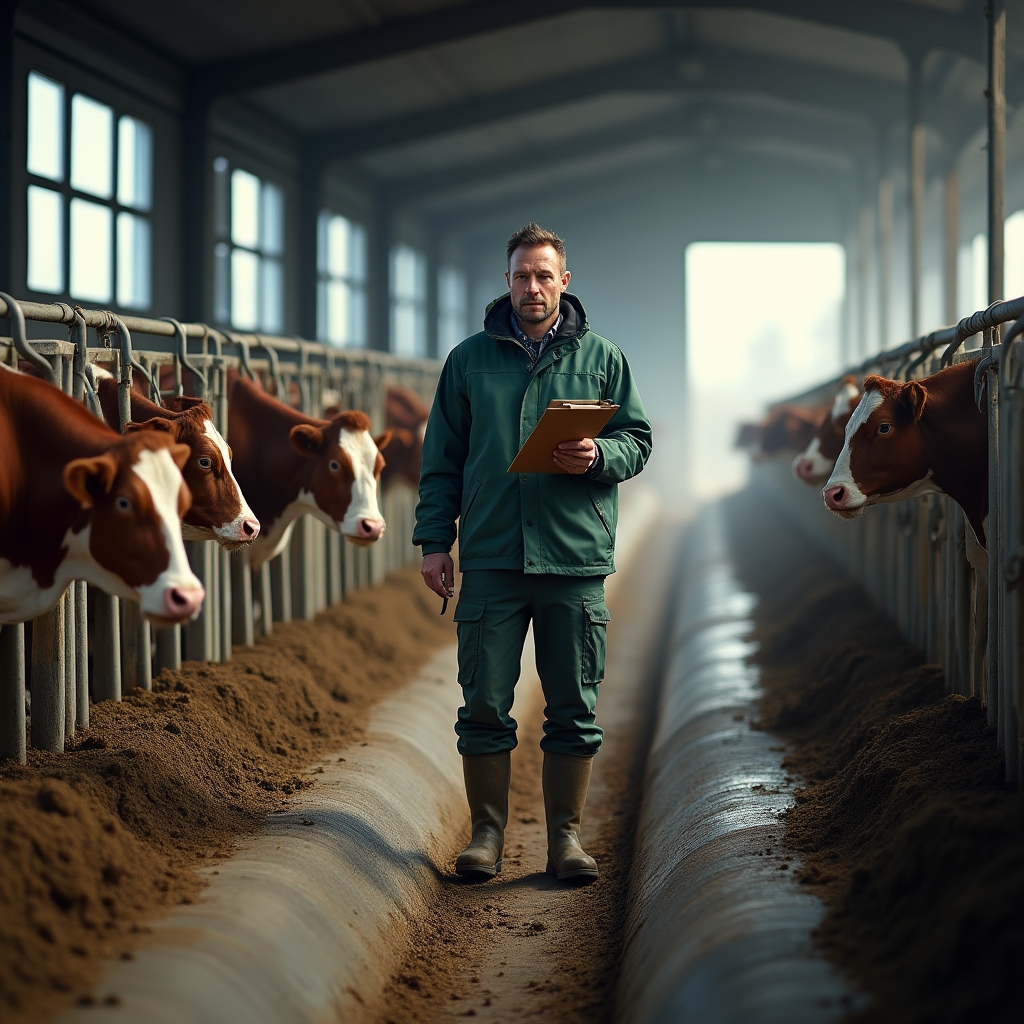
A biodigester is a slow, biological machine, not an appliance you switch on.
Manure and crop residues enter a sealed tank. Bacteria break the material down in the absence of oxygen, over roughly thirty to fifty days depending on temperature and feedstock. The process releases biogas, a mixture of methane and carbon dioxide, and leaves behind digestate, a nutrient-dense slurry suited to field application.
For a farm milking or fattening around thirty head of cattle, the daily manure volume is generally enough to feed a small digester producing gas for cooking and some water heating. It rarely produces surplus large enough for electricity generation at that scale, which is why sizing expectations matter before any application for support is drafted.
- Feedstock: manure, slurry, silage residue, sometimes straw bedding
- Output: biogas for cooking or heating, and stabilised digestate
- Retention time: typically 30 to 50 days in mesophilic systems
- Byproduct value: reduced mineral fertiliser purchase, improved manure handling
Two ways to read this portal
Every article draws on public programme documents, technical standards and farm accounts. We organise it into two tracks so it is easier to find what you actually need.
System sizing logic
How herd size, manure output and bedding type translate into tank volume, gasholder size and expected daily gas yield for a thirty-head operation.
ARiMR programme documentation
Plain-language summaries of eligibility criteria, document lists and timelines referenced in publicly available Agency for Restructuring and Modernisation of Agriculture materials.
Month-by-month maintenance
What checks, cleaning and adjustments a small digester typically needs across each month of the year, from winter insulation to summer foam control.
Reported outcomes after three years
What farms that installed small systems some years ago say about fuel savings, fertiliser changes and the work involved, gathered from public accounts and agricultural press.
Safety and compliance basics
Gas handling precautions, storage rules for digestate, and the environmental permits that typically apply to a farm-scale installation in Poland.
Downloadable reference sheets
Printable checklists and summary tables you can keep in the barn office, built from the same public sources cited throughout the site.
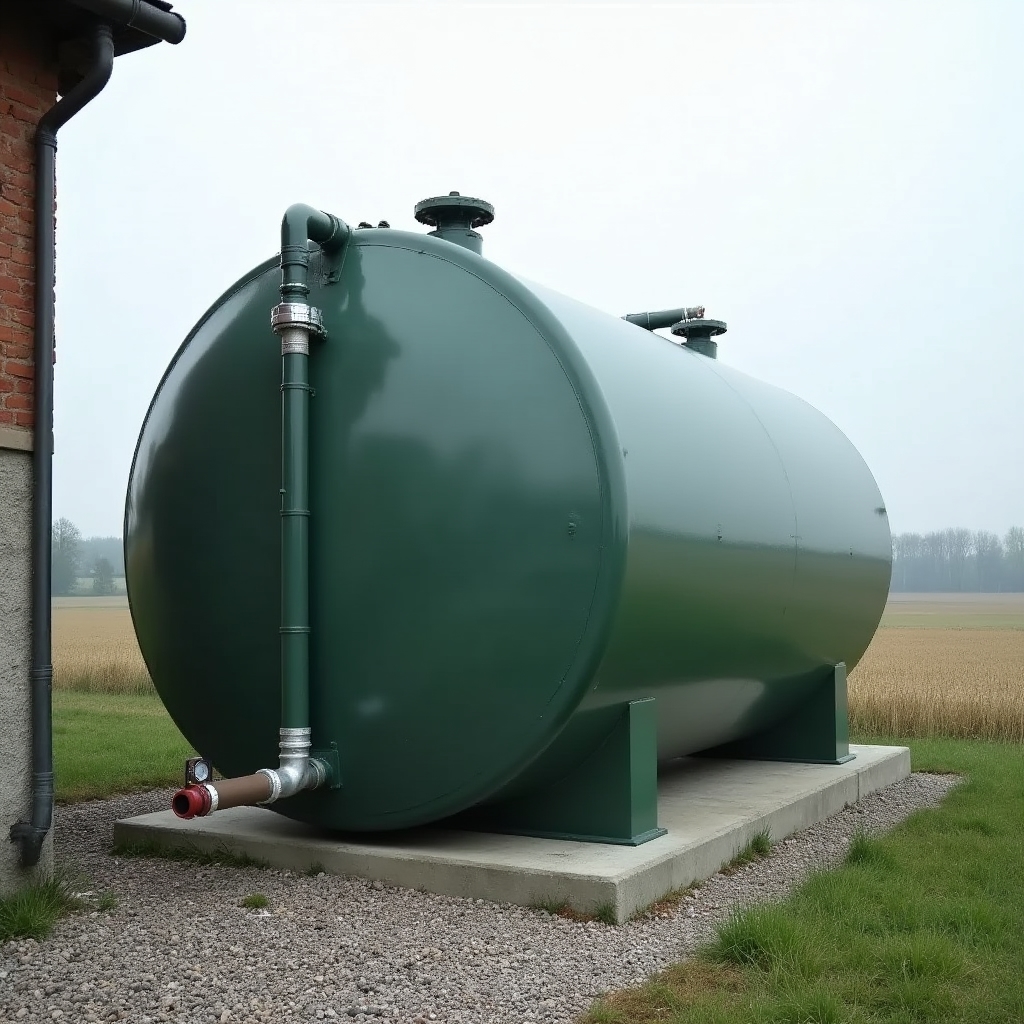
What a thirty-head cattle operation typically needs
A herd of thirty cattle produces roughly 600 to 900 kilograms of fresh manure daily, depending on housing system and diet. Public technical references generally suggest a digester volume in the range of 100 to 200 cubic metres for this scale, sized to hold the retention period without overloading the microbial culture.
Gas output at this scale is modest. Documentation from agricultural extension services typically points to a few cubic metres of biogas per hour, enough for cooking and domestic hot water in the farmhouse, rarely enough to justify a combined heat and power unit. Digestate output roughly matches the volume of material fed in, minus water lost as biogas, and needs storage capacity that complies with nitrate-vulnerable zone rules where they apply.
Two products come out of the same tank

Biogas for cooking and heating
Raw biogas is roughly 55 to 65 percent methane. On many small Polish installations it is piped directly to a modified kitchen stove or water heater without upgrading to pipeline-grade gas, which keeps the system simpler and cheaper to run.

Digestate as fertiliser
Digestion changes the nitrogen in manure into forms more readily available to plants and reduces odour compared to raw slurry. Public agronomy guidance still recommends soil testing before adjusting mineral fertiliser purchases based on digestate use.
What ARiMR documentation says about support for small digesters
The Agency for Restructuring and Modernisation of Agriculture (ARiMR) publishes eligibility rules, document checklists and payment schedules under Common Agricultural Policy instruments. We summarise the publicly posted structure here; we do not submit applications on anyone's behalf.
Eligibility documentation
Farm registration number, herd records and land parcel documents typically requested before a modernisation investment application is reviewed.
Investment support instruments
Modernisation of agricultural holdings measures under the Rural Development Programme framework list renewable energy investments including small biogas installations as an eligible category in published guidance.
Application windows
ARiMR announces submission periods on its own website for each call. Published notices state opening and closing dates for the relevant financial year.
Co-financing structure
Public materials describe support as a percentage reimbursement of eligible investment cost, subject to caps that vary by measure and applicant category.
Our services page lays out how to read a call for proposals document and what a maintenance obligation period usually means once support is granted.
Read the subsidy documentation guide
Maintenance is a monthly rhythm, not a one-off job
A small digester rewards routine more than intervention. Spring means checking the membrane and gasholder after winter frost. Summer brings foam control and more frequent feeding as manure volume shifts with grazing patterns. Autumn is when insulation gets checked before the cold returns, and winter is largely about maintaining tank temperature and watching gas pressure more closely.
Our services page breaks this into a twelve-month table so a farm manager can plan labour hours around the calendar rather than reacting to problems.
View the month-by-month table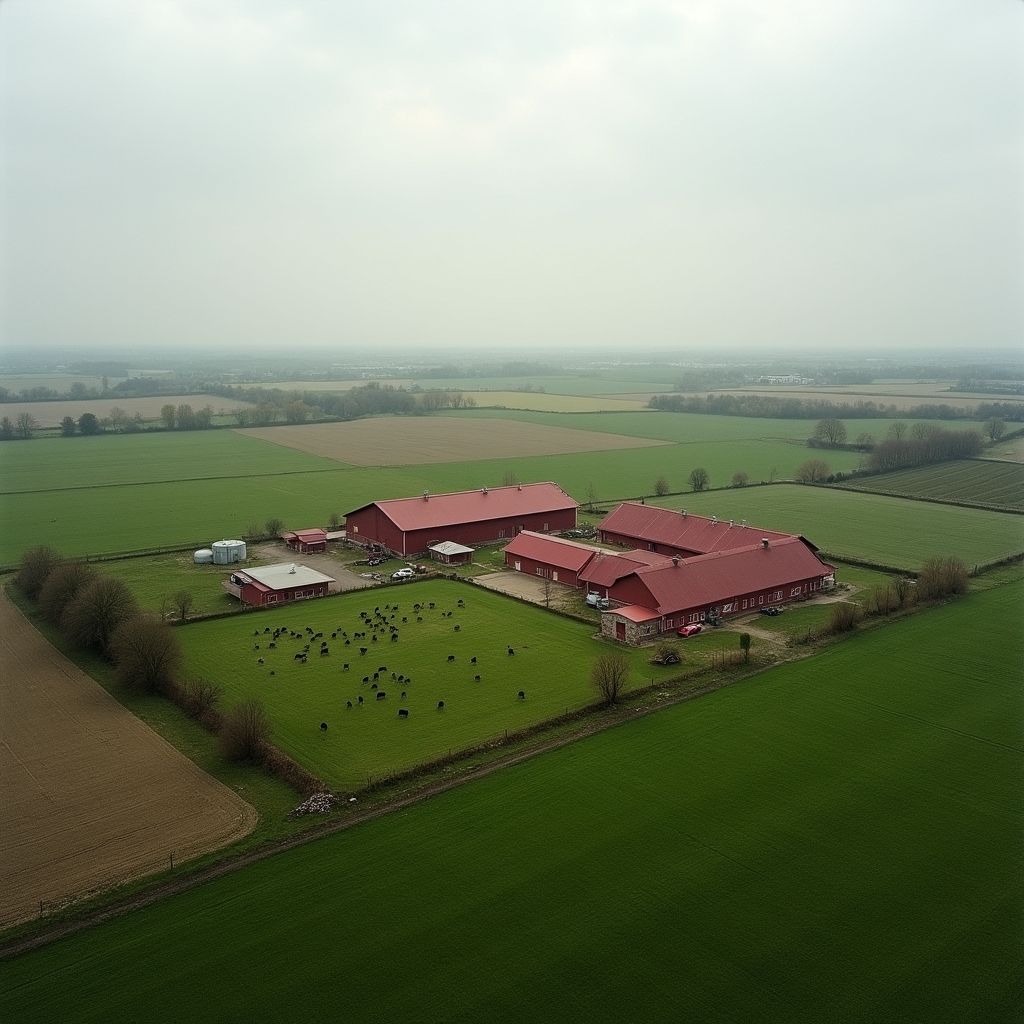
What farms report after living with a system for a while
Public accounts from Polish farms that installed small digesters a few years back generally describe two consistent themes. First, cooking gas savings are noticeable but modest relative to overall farm costs, since a thirty-head operation is a small-scale producer. Second, the change in manure handling, less odour, easier spreading, gets mentioned more often than energy output itself.
Reports also note that early maintenance habits shape long-term reliability. Farms that kept up with monthly checks describe fewer disruptions than those that treated the digester as maintenance-free equipment.
Read the summarised farm accountsPublic sources referenced across this portal
Cezove Roveji is an independent information project. We are not affiliated with, endorsed by, or acting on behalf of any of the institutions below. Their published materials inform the summaries on this site.
ARiMR
Agency for Restructuring and Modernisation of Agriculture published programme documents
Ministry of Agriculture
Public guidance on rural development and renewable energy on farms
EU Rural Development Framework
Common Agricultural Policy Strategic Plan documentation, publicly accessible
Agricultural extension bodies
Technical bulletins on anaerobic digestion sizing and operation
Have a specific question about a document or a term?
We answer general informational questions about the material on this site. We cannot review your farm's individual application or recommend a supplier.
Get in touch